
Effectory
Process analysis, optimisation and improvement
Effectory is a small specialised company focused on the analysis, optimisation and improvement of both manufacturing and non-production processes.

We help companies understand how their processes actually work, where unnecessary costs, losses, delays or recurring issues arise, and which improvements should be addressed first.
Our work combines process mapping, discussions with people involved in the process, observation of real workflows and analysis of available data. The result is not just a general recommendation, but clear findings, practical conclusions and concrete proposals for next steps.
Our experience is based on more than 15 years of work in process improvement, optimisation and loss reduction across manufacturing and administrative environments.
What makes us different?
As a smaller specialised company, we are able to work with clients in a more individual way and focus more deeply on the specific issue being addressed.
We do not apply a universal solution to every organisation. First, we aim to understand how the process really works – how a request is created, how it is handled, where delays occur, where errors or exceptions arise, and where unnecessary costs are generated. Only then do we propose specific improvement measures.
Available data can also be an important part of the analysis. This may include data from internal systems, reports, records or spreadsheets. We do not treat data analysis as a separate reporting exercise, but as one of the inputs that helps us understand the process and prepare practical recommendations.
Our goal is not to automatically propose new software, new equipment or large investments. As a first step, we look for improvement potential in what the company already has – process setup, responsibilities, information flow, capacity utilisation and existing tools.
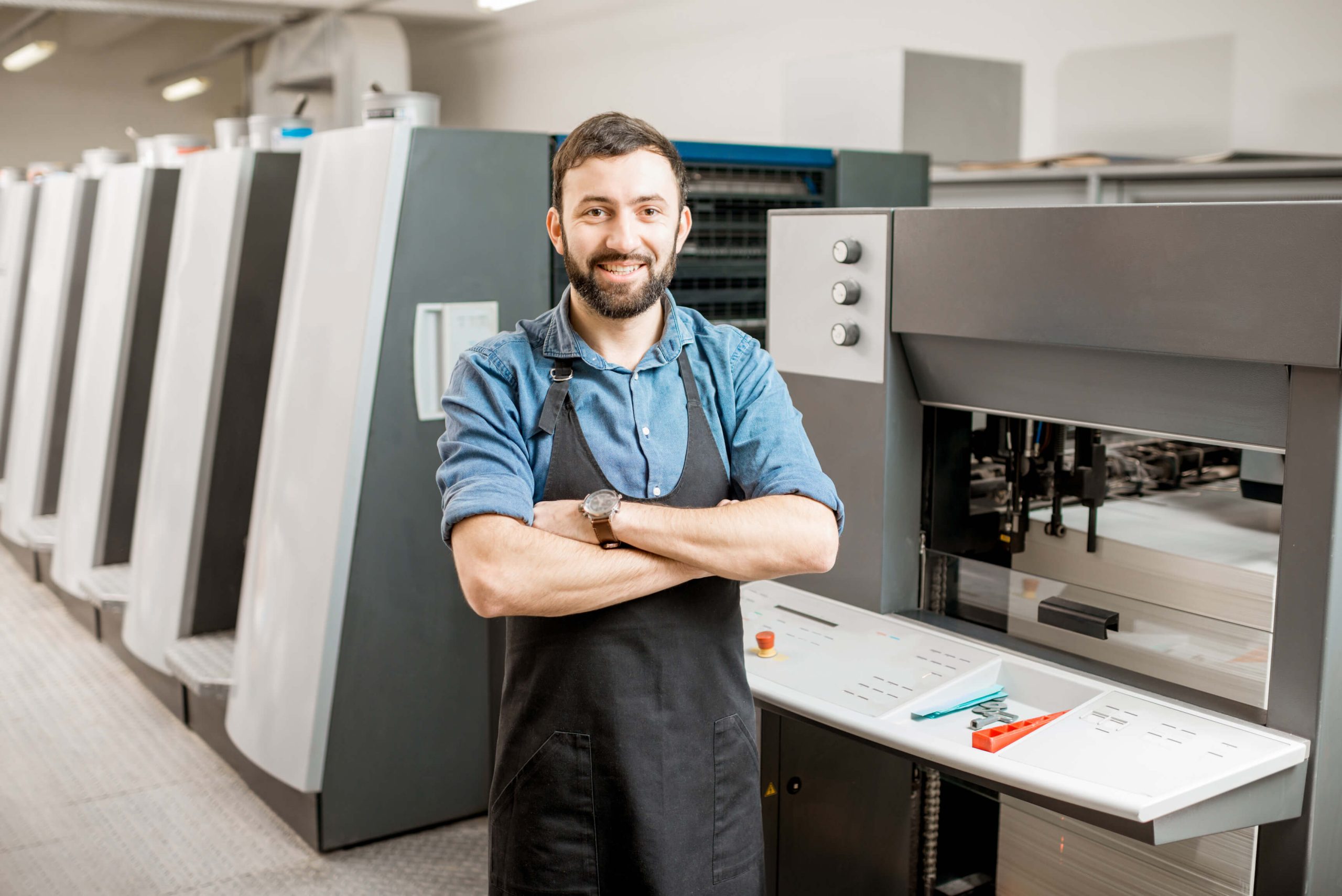
Optimisation of manufacturing processes
In manufacturing processes, we focus on understanding how work actually flows in the production environment. We look at material flow, capacity utilisation, downtime, losses, recurring issues, bottlenecks and dependencies between individual activities.
In addition to observing the process directly on site, we can also work with available data – for example data on line performance, downtime, scrap rates, complaints, orders, deadlines or capacity utilisation. The objective is to prepare a clear analytical output with practical conclusions and recommendations that help reduce losses and improve process performance.
Optimisation of non-production processes
In non-production and administrative processes, we focus on how requests, orders, documents, approvals, complaints or internal tasks are actually handled.
We can model the process in a clear process map and identify unnecessary steps, waiting times, duplicated work, unclear responsibilities or points where errors and exceptions occur. If the client has available data, we can use it as an additional input – for example data on request volumes, processing times, waiting times, SLA performance, team workload or recurring issues.
The result is a practical view of where the process slows the company down, where it creates unnecessary costs and which changes are likely to bring the greatest impact.
Effective processes start with a clear understanding of how they work

Who can contact us?
We support both manufacturing and non-production companies that want to better understand their processes, reduce losses, eliminate unnecessary costs or prepare a solid basis for further improvement.
Companies can contact us when they need to review a specific process, a customer or internal workflow, an administrative agenda, a production area, a support process or available data that can provide a clearer view of how their organisation operates.
How does cooperation with us work?
Cooperation usually starts with an initial discussion or meeting, during which we review the issue, expectations and available inputs together with the client.
We then propose an appropriate scope of cooperation – for example a short review of a selected process, a more detailed process analysis, analysis of available data, or a combination of these approaches.
We approach each assignment openly. If we see that the issue is outside the area where we can provide real value, we communicate this fairly at the beginning. Our goal is to prepare an output that is practically useful for the client, not just a formal document.
